

Oops! Something went wrong while submitting the form.

The ADOS-2 is the Autism Diagnostic Observation Schedule, Second Edition. It is considered one of the gold standards for diagnosing autism spectrum disorder. It is a standardized, semi-structured assessment instrument designed to assess communication, reciprocal social interactions, interests, and behaviors in individuals who may have autism spectrum disorder.



The ADOS-2 is composed of 5 modules based on the age and speech of the individual being assessed. It includes: play items for less verbal, younger individuals and for more verbal individuals it includes questions and other activities. These activities were determined to elicit characteristics of autism spectrum disorder.
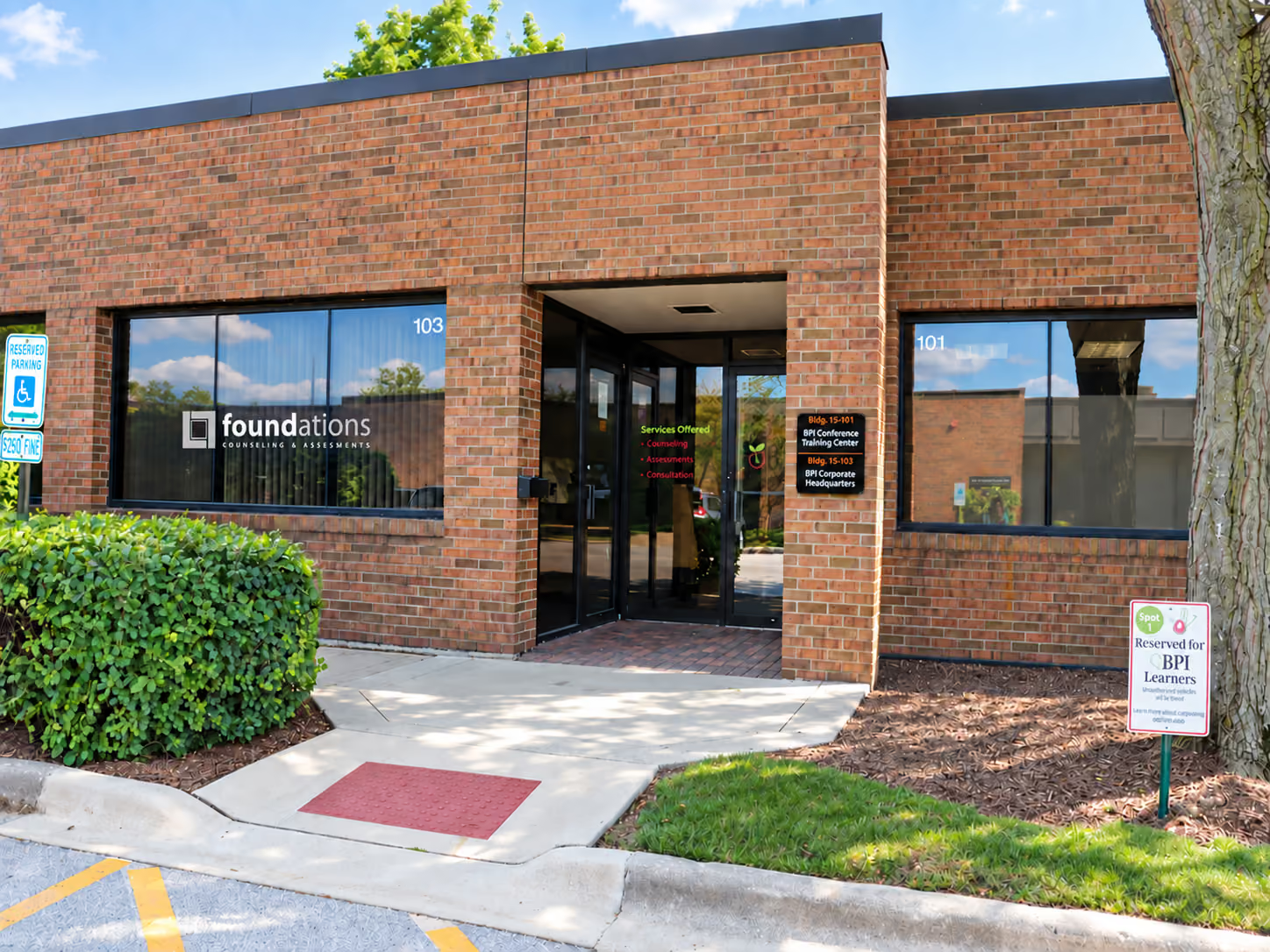

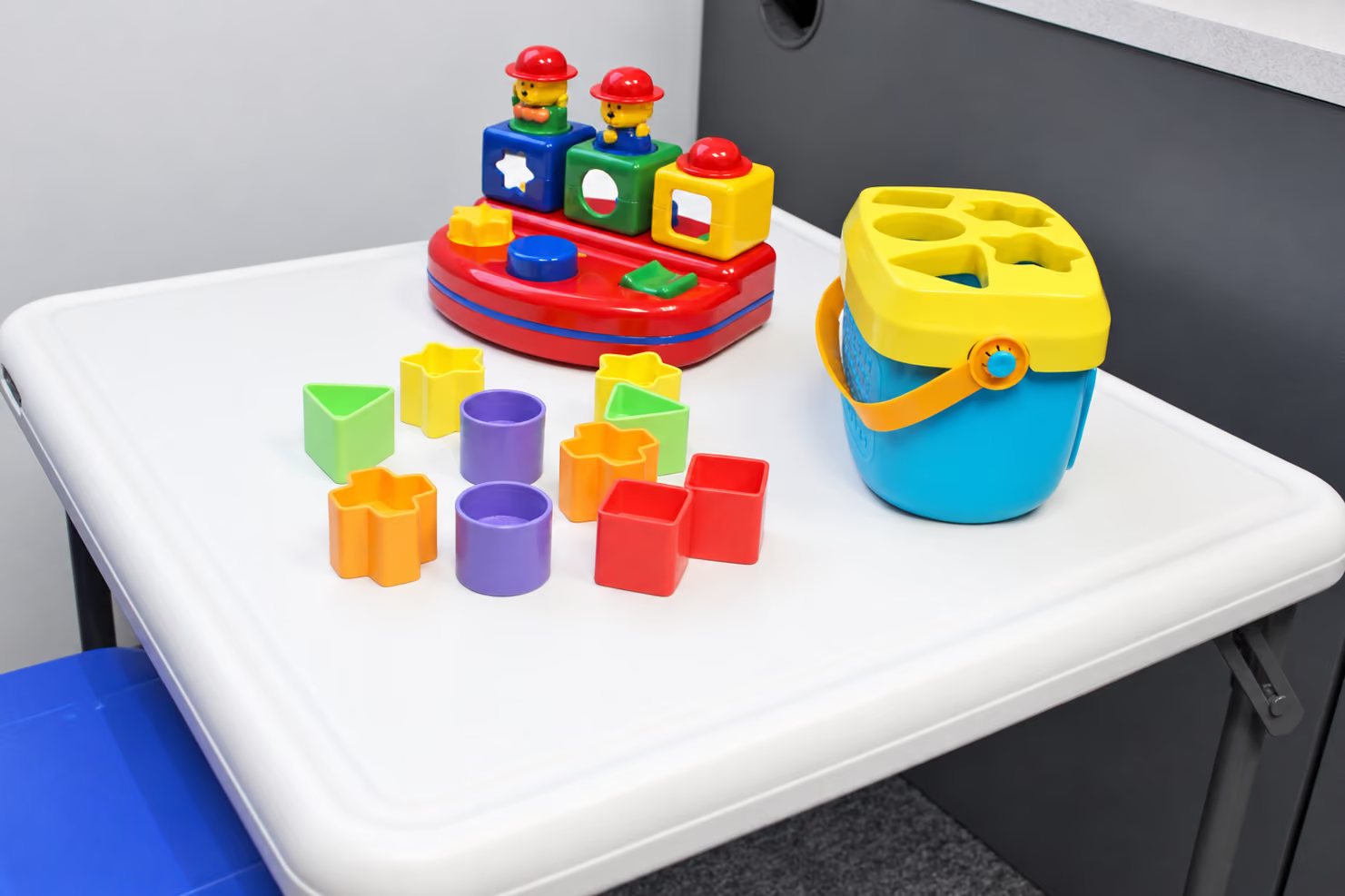
Since the ADOS-2 is part of a diagnostic assessment, it is done in a clinical setting. This could be a private practice clinic or hospital setting.
The ADOS test is completed in West Chicago, IL.


The ADOS-2 assessment is a social interaction between the examiner and the individual being assessed.


The ADOS-2 assessment is the first step to gaining access to services by making coverage available to families. With an official diagnosis, many insurance provider's will provide coverage for essential services such as ABA therapy.
In addition to providing a diagnosis, the ADOS-2 assessment provides information about the individual’s areas of strength and need. For example, it may provide information about the individual’s ability to talk about an activity. This skill partly requires the ability to talk about previous experiences such as going to the zoo or on a vacation.


The Autism Diagnostic Observation Schedule, Second Edition (ADOS-2), is a standardized assessment used as part of a comprehensive autism evaluation. It helps a trained diagnostician observe communication, social interaction, play, interests, and behaviors associated with autism.
Foundations Counseling and Assessments, BPI’s sister company, provides ADOS-2 assessments and comprehensive autism diagnostic testing at BPI’s clinic in West Chicago, Illinois. Activities are selected based on the child’s age and communication level, so the assessment may include play-based activities, conversation, or structured tasks.
No. The ADOS-2 is an important part of a comprehensive autism diagnostic evaluation, but it does not determine an autism diagnosis by itself.
Foundations’ diagnostician considers the ADOS-2 results along with the child’s developmental history, caregiver input, clinical observations, additional assessments, and established diagnostic criteria. This comprehensive approach provides a more complete understanding of the child’s strengths, needs, and development.
A comprehensive autism evaluation through Foundations, BPI’s sister company, may include:
The specific evaluation process depends on the child’s age, developmental level, communication abilities, history, and presenting concerns. Testing is completed at BPI’s West Chicago, Illinois, clinic.
Foundations Counseling and Assessments provides comprehensive autism evaluations for children and adolescents from 2 years old through 17 years, 11 months old.
Foundations is BPI’s sister company and conducts early-childhood and school-age autism evaluations at BPI’s clinic in West Chicago, Illinois. Each evaluation is individualized according to the child’s age, developmental level, communication abilities, and needs.
During an autism evaluation, Foundations’ diagnostician gathers information about the child’s development, communication, social interaction, behavior, and everyday functioning.
The process may include a caregiver interview, review of relevant records, direct observation, standardized developmental assessments, and an ADOS-2 assessment. The child participates in age-appropriate activities that help the diagnostician observe how they communicate, interact, play, and respond in different situations.
After all information has been reviewed, the family attends a diagnostic feedback session to discuss the findings and recommended next steps. Evaluations are provided by Foundations at BPI’s West Chicago clinic.
The time required for a comprehensive autism evaluation varies according to the child’s needs and the assessments being completed. The process may include a caregiver interview, direct testing, record review, clinical interpretation, and a diagnostic feedback session.
Some evaluations may require more than one appointment. When scheduling autism testing at BPI’s West Chicago clinic, the Foundations team will explain the anticipated appointment length and overall evaluation timeline.
Your child does not need to study or practice for an ADOS-2 assessment. There are no right or wrong answers. You can simply explain that they will meet someone who will talk, play, or complete activities with them at BPI’s West Chicago clinic.
Parents and caregivers may be asked to provide:
The Foundations team will let you know which records to bring before your child’s appointment.
Insurance may cover autism diagnostic testing, but coverage varies by plan. Benefits may depend on provider networks, medical necessity requirements, deductibles, copays, coinsurance, referrals, and prior authorization requirements.
Before testing is scheduled, BPI will verify your insurance benefits and explain the anticipated costs associated with your child’s autism evaluation. This helps families better understand what their plan may cover and what they may be responsible for paying.
Insurance benefit information is an estimate and is not a guarantee of payment. Final coverage and costs are determined by the insurance company after the claim is processed. Coverage for an autism evaluation also does not automatically guarantee coverage for ABA therapy or other recommended services.
The time needed to receive autism evaluation results depends on the assessments completed and the time required to score, interpret, and review the findings.
Once the evaluation is complete, Foundations schedules a diagnostic feedback session to explain the results, answer the family’s questions, and discuss recommendations. Families will receive an estimated timeline during the scheduling or evaluation process.
Yes. Families receive a written autism evaluation report explaining the assessment findings, diagnostic conclusions, and individualized recommendations.
Depending on the child’s needs, recommendations may include ABA therapy, speech therapy, occupational therapy, school supports, additional evaluations, community resources, or other appropriate services. The report may also help families share important information with healthcare providers, therapists, and school teams.
After an autism evaluation, Foundations’ diagnostician meets with the family for a feedback session. The diagnostician explains the results, discusses whether the child meets the diagnostic criteria for autism, answers questions, and reviews recommended next steps.
If the child receives an autism diagnosis, recommendations may include ABA therapy, speech or occupational therapy, caregiver support, school-based services, or other resources. If the child does not receive an autism diagnosis, the family may still receive recommendations based on the strengths and needs identified during the evaluation.
Because Foundations is BPI’s sister company, families interested in learning about BPI’s ABA therapy services can also be connected with BPI’s intake team. Families remain free to choose the providers that best meet their child’s needs.
To schedule autism diagnostic testing in West Chicago, contact Foundations Counseling and Assessments, BPI’s sister company. Foundations provides comprehensive autism evaluations, including ADOS-2 assessments, for children and adolescents from 2 years old through 17 years, 11 months old at BPI’s West Chicago clinic.
Testing is provided at 245 West Roosevelt Road, West Chicago, IL 60185. Call (224) 760-4279 or complete BPI’s Get Started Form to ask questions or begin the scheduling process.
Does your journey begin today?
Let's Get Started